The main types of leadership are autocratic, democratic, laissez-faire, transactional, transformational, servant and situational leadership. Each describes how a leader makes decisions and works with people. No single style is best for every case. Good leaders learn several and switch between them depending on the team, the task and how much time they have.
Below, each style is explained in plain language with everyday examples you might see in a Filipino barangay, school, small business or volunteer group, plus tips on when each one works and when it backfires.
Where these types of leadership come from
Some of these labels come from well-known research. In a classic 1939 study, psychologist Kurt Lewin and colleagues Ronald Lippitt and Ralph White compared groups of boys led by adults using autocratic, democratic and laissez-faire styles. They found that the autocratic groups often produced more work, but the democratic groups showed more originality and motivation, while the laissez-faire groups had less sense of direction.
Later, historian James MacGregor Burns described the difference between transactional and transforming leadership in his 1978 book Leadership. And Robert K. Greenleaf introduced the phrase "servant leadership" in his 1970 essay "The Servant as Leader." These ideas are still used in leadership training today.
1. Autocratic leadership
What it is: The leader makes decisions alone and expects the team to follow instructions.
Filipino example: During a typhoon evacuation, the barangay disaster team leader gives clear orders: who checks which purok, where families go, and when. There is no time for a long discussion.
When it works: Emergencies, safety situations and tasks with strict deadlines.
When it backfires: In everyday work, it can make people feel unheard and less committed. Volunteers, especially, may stop showing up.
2. Democratic (participative) leadership
What it is: The leader invites input and the group helps make decisions, often through discussion or a vote.
Filipino example: A youth organization holds a general assembly to choose its next community project. Members pitch ideas, discuss them and vote.
When it works: When buy-in matters and there is enough time to listen. People support what they help create.
When it backfires: When decisions drag on too long, or when the group lacks the information to choose well.
3. Laissez-faire (delegative) leadership
What it is: The leader gives the team freedom to decide how to do the work and steps in only when asked.
Filipino example: A café owner lets an experienced barista team design the new drinks menu with little supervision.
When it works: With skilled, motivated people who know what they are doing.
When it backfires: With new or unsure teams. Without direction, tasks get missed and people feel lost.
4. Transactional leadership
What it is: The leader sets clear goals and exchanges rewards for results, such as incentives, recognition or other benefits.
Filipino example: A sari-sari store supplier gives its sales agents a bonus for hitting a monthly target.
When it works: Routine work with measurable results.
When it backfires: When you need creativity or loyalty. People may do only what they are rewarded for.
5. Transformational leadership
What it is: The leader inspires people with a shared vision and helps them grow beyond what they thought they could do.
Filipino example: A public school teacher convinces her class to start a recycling program. Students who were shy at first end up presenting it to the whole school and to parents.
When it works: When a group needs to change, grow or take on something new.
When it backfires: If the vision is not backed by planning, energy fades. Inspiration needs follow-through.
6. Servant leadership
What it is: The leader puts the needs of the team and the community first and leads by serving.
Filipino example: Think of the spirit of bayanihan, when neighbors once carried a whole house together. A servant leader is the first to pick up the bamboo pole. At a coastal clean-up, the project chair arrives early, hauls trash bags and makes sure volunteers have water before anything else.
When it works: Volunteer groups, civic organizations and teams built on trust.
When it backfires: If the leader never says no or never makes hard calls, they burn out and the group drifts.
7. Situational leadership
What it is: The leader adjusts their style to the situation and to how ready each person is. A new volunteer gets more direction; an experienced one gets more freedom.
Filipino example: An event chair gives first-time volunteers a step-by-step checklist for registration, while trusting the veteran logistics team to run the venue setup on their own.
When it works: Almost always, which is why many trainers see it as a goal to work toward.
When it backfires: If changes feel random. Explain why you are giving more or less direction.
Comparing the types of leadership at a glance
- Need a fast decision in a crisis? Lean autocratic, then explain afterward.
- Need group buy-in? Use democratic leadership.
- Have an expert team? Step back with laissez-faire, but stay available.
- Need targets met? Transactional tools such as clear goals and recognition help.
- Need people to grow or change? Transformational leadership.
- Leading volunteers? Servant leadership builds trust and loyalty.
- Leading a mixed team? Situational leadership lets you adapt person by person.
How to find your own leadership style
- Reflect on past projects. When things went well, what did you do? When they went badly, what would you change?
- Ask for feedback. Ask teammates, "When do I help you most? When do I get in the way?"
- Practise the style that feels least natural. If you always decide alone, try running one decision through a group discussion.
- Lead something small. Volunteer to chair a committee or a one-day project. Real practice teaches more than reading.
Your style is only part of the picture. Character matters just as much; read our guide to the qualities of a good leader. And since every style depends on clear communication, our public speaking tips for first-time leaders are a good next step.
Frequently asked questions
What are the most common types of leadership?
The most commonly taught are autocratic, democratic, laissez-faire, transactional, transformational, servant and situational leadership.
Which type of leadership is best?
There is no single best style. The right choice depends on the situation, the people and the time you have. Strong leaders can use more than one.
What type of leadership fits volunteer organizations?
Servant, democratic and transformational styles tend to work well, because volunteers stay when they feel heard, valued and inspired. Situational leadership helps when your team mixes newcomers and veterans.
Can leadership style be learned?
Yes. Leadership styles are habits, and habits can be practised. Training, mentoring and leading real projects all help.
Practise leadership with JCI Roxas Halaran
Junior Chamber International gives people aged 18 to 40 chances to develop as leaders through real projects. JCI Philippines is the national organization, and JCI Roxas Halaran is its local chapter in Roxas City, Capiz, open to men aged 18 to 40.
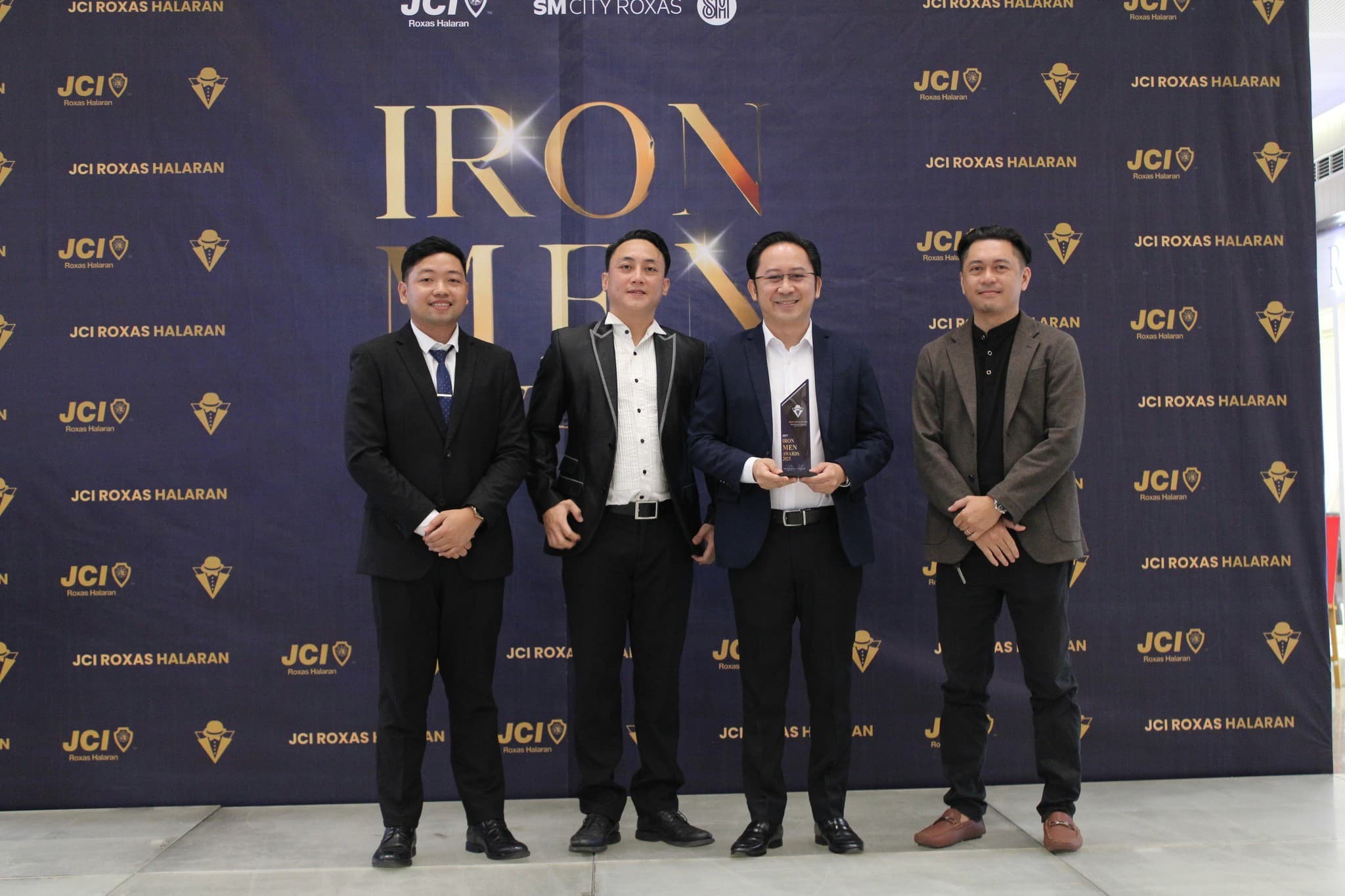
Our members practise several of these styles. On June 3, 2026, two chapter officers led YLEA 2026 training sessions for young leaders at CHILDS Academy in Roxas City: "Listening: The Most Underrated Leadership Skill," a core habit of democratic leaders, and "Built Different: Leadership Beyond Titles." Servant leadership shows up in Hot Meals on Wheels, the chapter's feeding program, which at events like the Project G.I.L.L.S. turnover in Brgy. Punta Cogon fed volunteers as well as the community. We also recognize leadership in others: the IRONMEN Awards honor men in categories such as IronDad, IronHeart and IronMind.
See what our members lead on our projects page, then join us and try these types of leadership for yourself.