The Halaran festival is Capiz's thanksgiving celebration, best known today through Sinadya sa Halaran, the festival Roxas City holds in the first week of December in honor of its patroness, the Immaculate Conception, whose feast falls on December 8. It mixes Masses and processions with street dancing, a river procession on the Panay River, food fairs, concerts and fireworks. The exact schedule changes every year and is announced by the Roxas City government.
This guide explains where the Halaran festival came from, what the words mean, what usually happens during Sinadya week, and how to enjoy it like a local.
What does "Sinadya sa Halaran" mean?
The name joins two Hiligaynon words. Sinadya comes from sadya, meaning joy or merriment. Halaran comes from halad, an offering. Put together, the festival is often translated as "joy in offering" or "joy of sharing." Both ideas fit: it is a time to give thanks for the year's blessings, especially the sea and the harvest, and to share them with family, neighbors and guests.
A short history of the Halaran festival
Old roots
Local oral tradition links Halaran to the story of the Bornean datus who, according to the Maragtas legend, settled Panay Island and bartered with its people. A 1988 University of the Philippines Visayas history thesis, The Halaran Festival in Capiz, recorded this popular version and placed the first Halaran in Punta Cogon, Roxas City. The same study found that older elements such as babaylan rituals and ethnic re-enactments faded over time and were replaced by Christian practices like Masses and processions.
The study also describes Halaran as a thanksgiving in which people share money, food or kindness with others. That spirit of sharing is still the heart of the celebration.
Two festivals, one December
For much of its modern history, Halaran was a provincial festival organized by the Province of Capiz, while Sinadya was the city's own celebration of its patroness. The two have been held together under the name "Sinadya sa Halaran" for many years, and at other times separately. Today the City of Roxas promotes the December celebration as the Sinadya Festival, but many Capiceños still call it Halaran or Sinadya sa Halaran, and you will see all three names online.
Whatever you call it, the anchor has stayed the same: the Feast of the Immaculate Conception on December 8. The Immaculate Conception Metropolitan Cathedral, beside the City Plaza, is the spiritual center of the week.
What happens during the festival
Each year's program is different, so treat the list below as a guide to the kinds of events you can expect, not a fixed schedule. For a real example, the city's official Sinadya 2024 schedule of activities ran from December 1 to 9 and included many of the events below.
Religious events
- Novena Masses at the cathedral in the days before the feast.
- Prusisyon sang mga Patron, a procession of saints' images around the city.
- The river procession (prusisyon sa suba), when the image of the patroness is carried along the Panay River by lighted boats and floats. It is one of the most beautiful sights of the week.
- Coronation of the Virgin and the blessing of Marian images brought by families.
- The Pontifical Mass on the feast day itself.
Cultural and community events
- Street dancing and barangay pageantry, where barangays compete with costumes, music and choreography.
- Drum and lyre competitions by school and community bands.
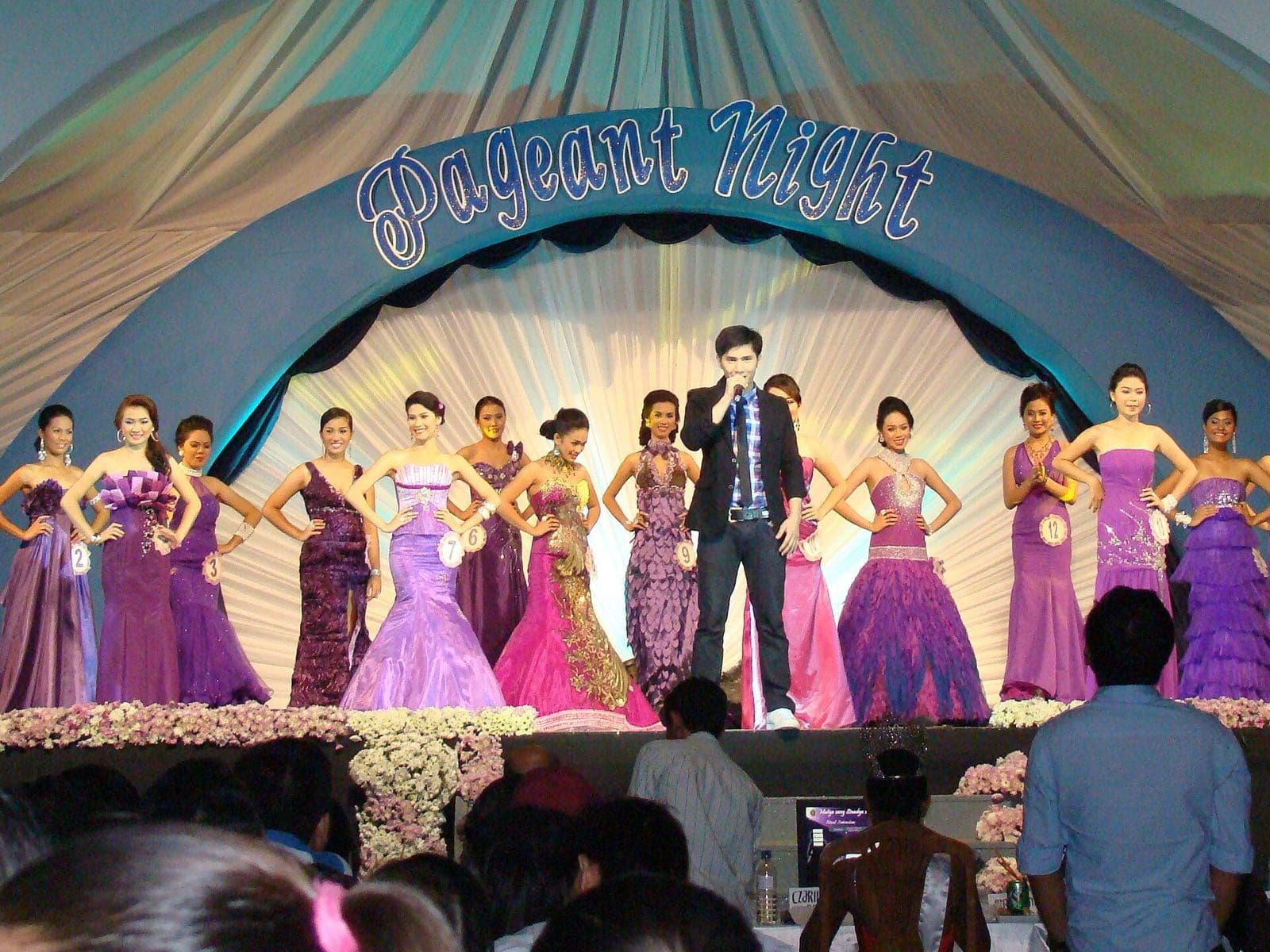
- The Mutya sang Roxas City pageant.
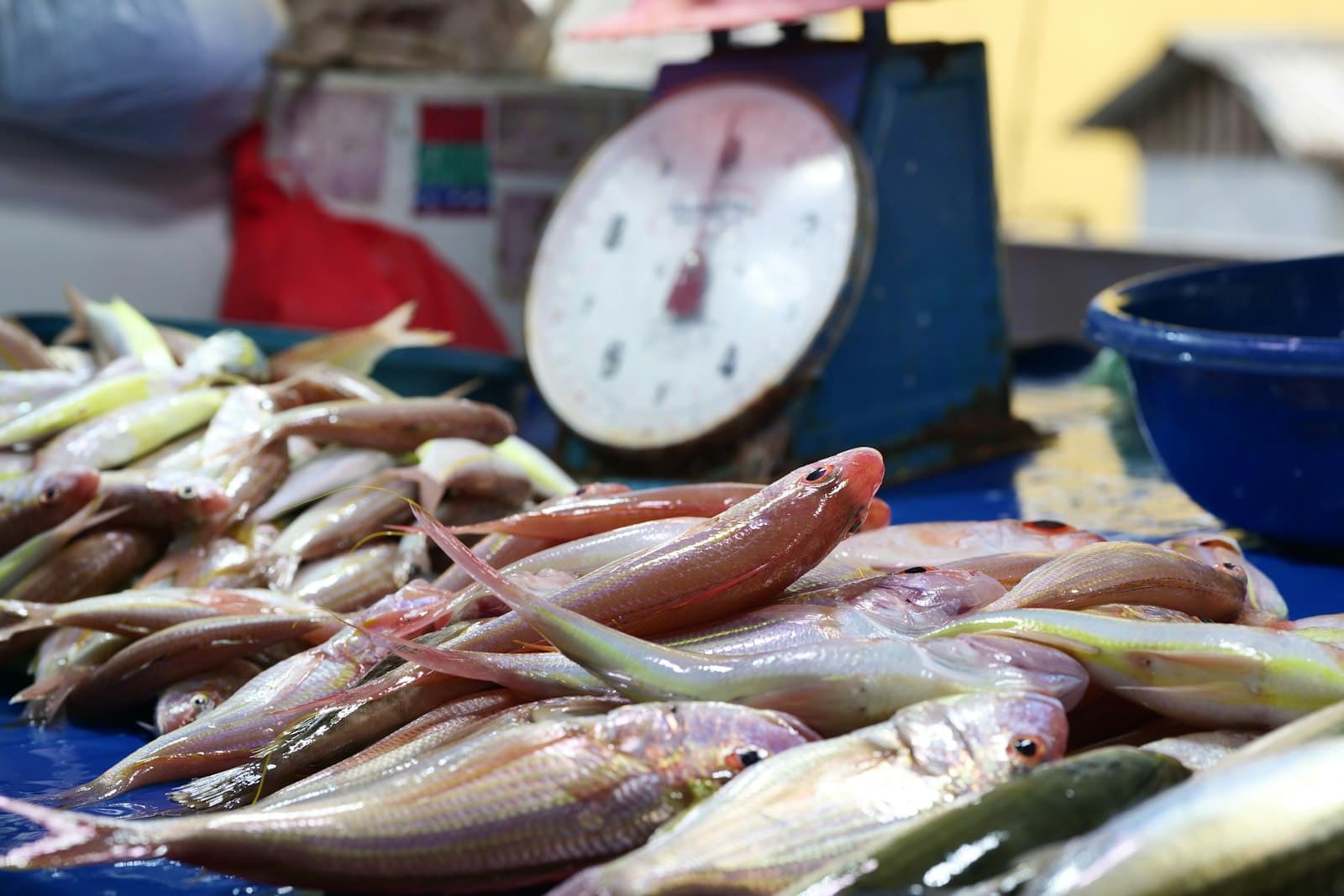
- Food fairs and a Christmas bazaar, with plenty of seafood. This is the Seafood Capital of the Philippines, after all.
- Concerts and fireworks at the plaza and other venues.
- Sports and youth events such as fun runs, bike races, chess and esports tournaments.
The festival also overlaps with the start of the Christmas season, so the plaza lights, lanterns and the Christmas tree lighting are part of the experience.
Tips for enjoying the Halaran festival
- Check the official schedule. The Roxas City government and its official social media pages post the program ahead of the festival. Times and venues can change because of weather.
- Book rooms early. December is busy in Roxas City, with balikbayan families coming home for the holidays.
- Watch the weather. Tropical cyclones can still pass in December. In 2025, local news reported that Sinadya opened despite a nearby tropical depression. Read our typhoon preparedness checklist before you travel.
- Dress for the occasion. Wear modest clothes for Masses and the cathedral, and comfortable shoes for processions and the plaza crowds.
- Bring cash. Food stalls and bazaar vendors often prefer cash, though e-wallets are becoming common.
- Be a respectful guest. Processions are acts of faith for many families. Give way, keep noise down during prayers, and ask before photographing people up close.
- Eat local. Try seafood along Baybay and at the food fairs. Our guide to why Roxas City is the Seafood Capital of the Philippines tells you what to order.
Halaran, Sinadya and Capiztahan: what's the difference?
Visitors often mix up Capiz's festivals. Here is the simple version:
- Sinadya / Sinadya sa Halaran is Roxas City's December celebration of the Immaculate Conception.
- Halaran is the older thanksgiving tradition and the provincial festival name that many people still use for the December celebration.
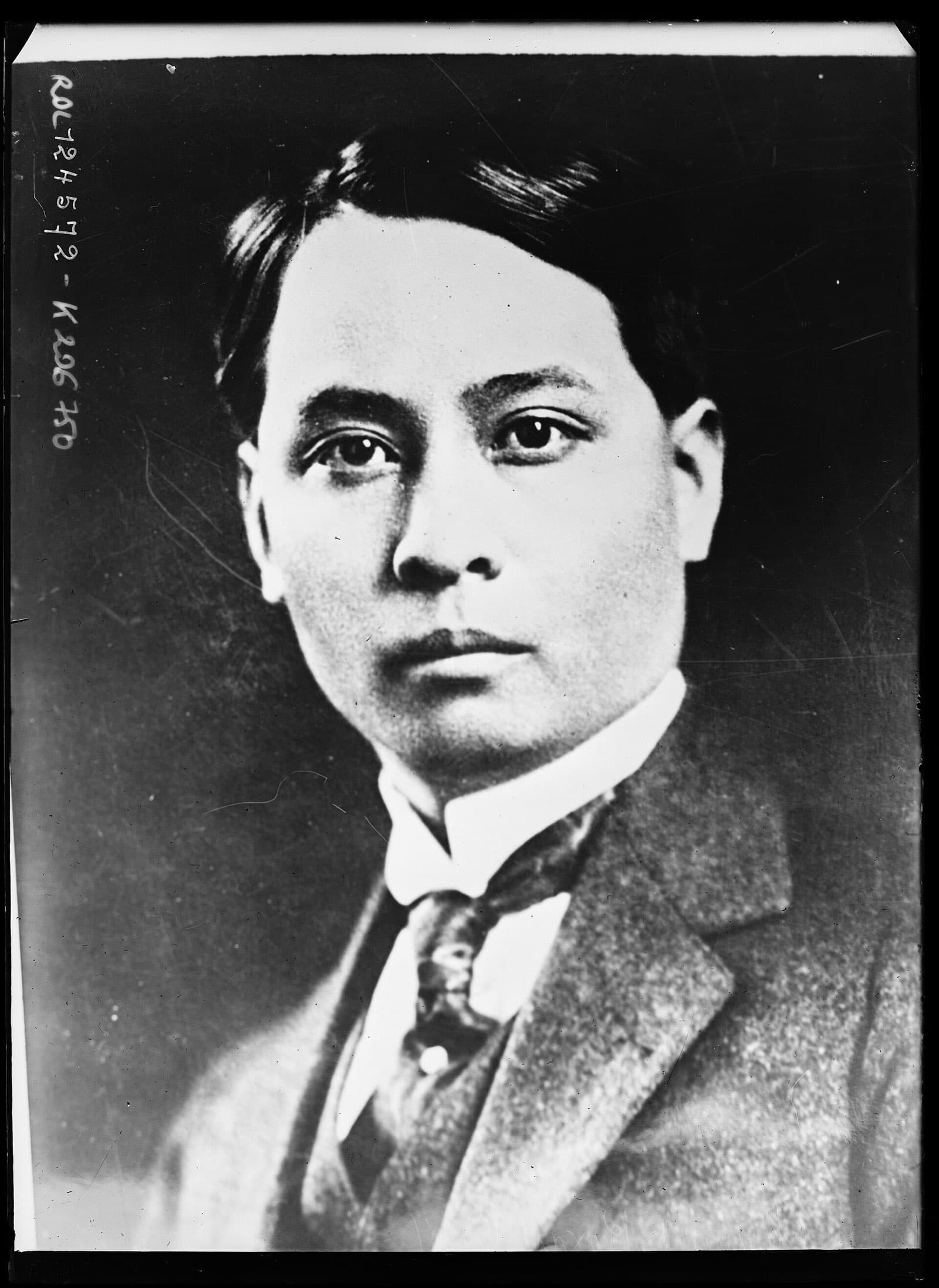
- Capiztahan is the province's April celebration, tied to the founding of Capiz's civil government and the memory of President Manuel Roxas, who was born in what is now Roxas City.
If you are planning a longer stay, our Roxas City, Capiz local's guide and our list of Capiz tourist spots will help you fill the days between events.
Frequently asked questions
When is the Halaran festival?
The December celebration in Roxas City is held during the first week of December, leading up to the Feast of the Immaculate Conception on December 8. Exact dates and events are set each year by the city, so check the official schedule.
Is the Halaran festival the same as Sinadya?
They are closely linked. Halaran was the provincial festival and Sinadya the city's festival, and they have been celebrated together as Sinadya sa Halaran for many years. Today the city uses the name Sinadya, but most locals understand all three names.
What does Halaran mean?
Halaran comes from the Hiligaynon word halad, meaning offering. The festival is a thanksgiving, an offering of gratitude for the year's blessings.
Is the festival free to attend?
Masses, processions, street dancing and plaza events are generally open to the public. Some concerts, pageants or ticketed events may have their own entry rules, so check each event's details.
Celebrate with JCI Roxas Halaran
Our chapter carries the festival's name for a reason. The name is rooted in the word "offering," and it recalls the Halaran Festival, which for years was the premier celebration of the city and province, depicting its colorful history and the landing of the Bornean datus. Offering what you have for the good of others is what young active citizens try to do all year round.
We have also added to the December program ourselves. During Sinadya 2024:
- Igpat sa Dalanon. On December 7, 2024, the chapter co-organized Igpat sa Dalanon, a tricycle lights and sound competition at the Roxas City Bandstand, with Councilor Jaime Altavas and Angkas. Teams Lakay Kitty, Laglag and Low Profile competed for PHP 5,000 prizes for Best Sound and Best Light.
- Celebrity Zumba Party and Christmas Bazaar. On December 9, 2024, the chapter held a Sinadya Celebrity Zumba Party at People's Park, Baybay. At the Christmas Bazaar, a display of artwork by local artist Jonard Villarde was offered for sale, with part of the proceeds going to pediatric cancer patients at St. Anthony Hospital.
If you are a man aged 18 to 40 and want to give your time and talents to Roxas City, join JCI Roxas Halaran or see the projects our members run in the community.