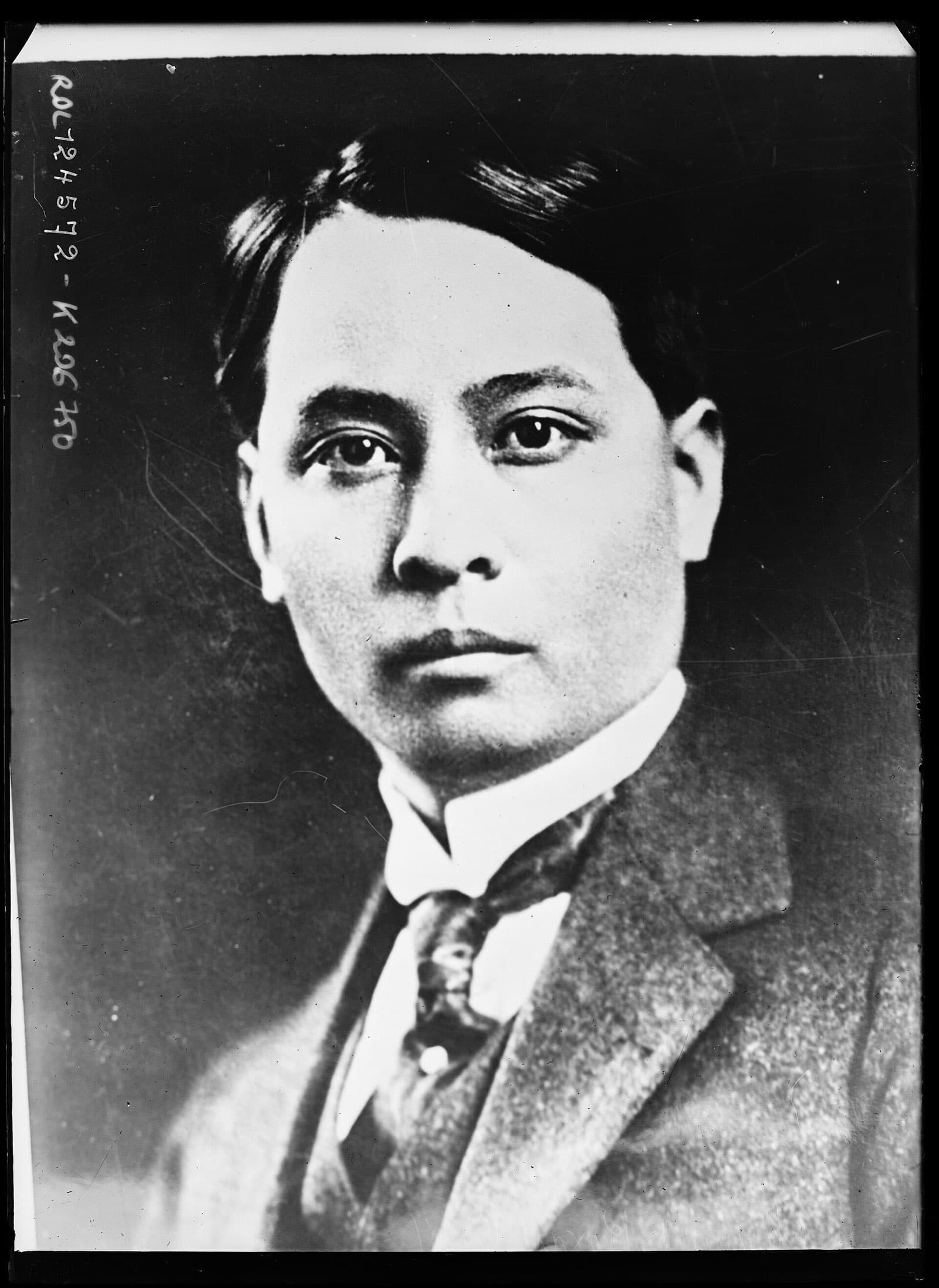
Manuel Roxas (1892–1948) was the fifth President of the Philippines and the first president of the independent Third Republic, sworn in on July 4, 1946. He was born in the town of Capiz, now Roxas City, and died in office on April 15, 1948. Before the presidency he was governor of Capiz, Speaker of the House for over a decade, and a senator. Roxas City carries his name today.
For Capiznons, Manuel Roxas is more than a face from a history book. His birthplace still stands near the Panay River, his statue watches over the city center, and the city itself was renamed in his honor. Here is his story, told from his hometown.
Early life in Capiz
Manuel Acuña Roxas was born on January 1, 1892, in the pueblo of Capiz. His family's story began with loss. His father, Gerardo Roxas, was killed about eight months before Manuel was born, after a confrontation with Spanish guardia civil. His mother, Rosario Acuña, moved in with her own father while she was pregnant.
That house, built by his grandfather Don Eleuterio Acuña, is the President Manuel Roxas Birthplace. The Roxas City government's heritage walk describes it as considered the oldest surviving bahay na bato (stone-and-wood house) in Capiz. It is still owned and kept by a branch of the Acuña family.
A bar topnotcher
Roxas finished high school in Manila in 1909 and took up law at the University of the Philippines. He graduated in 1913 and placed first in that year's bar examinations. It was an early sign of the discipline and speaking skill that would carry him through public life.
From councilor to Speaker
Roxas began close to home. According to the Roxas City government, his political career started in 1917 as a municipal councilor of Capiz. From there he climbed quickly:
- Governor of Capiz (1919–1922), while still in his twenties.
- Member of the House of Representatives, elected in 1922.
- Speaker of the House from 1922 to 1933.
- Delegate to the 1934 Constitutional Convention, which wrote the 1935 Constitution.
In the early 1930s he traveled to Washington with Sergio Osmeña on the independence missions that pushed the United States toward setting a date for Philippine independence. These trips made Roxas a national figure.
The Commonwealth and the war
Under President Manuel L. Quezon, Roxas served as Secretary of Finance in 1941 and then as Executive Secretary as war broke out. He was elected to the Senate in 1941, though the war delayed his service.
During World War II he served as a brigadier general with the USAFFE and was captured by the Japanese after the fall of Corregidor. He later served as an adviser in the wartime government of Jose P. Laurel, a role that his critics raised after the war. After liberation he became Senate President in 1945.
Manuel Roxas as president
In early 1946, Roxas and his allies broke away from the Nacionalista Party and formed the Liberal Party. With Elpidio Quirino as his running mate, he won the April 1946 presidential election.
He took office twice in a matter of weeks:
- May 28, 1946: sworn in as the third and last President of the Commonwealth.
- July 4, 1946: sworn in as the first President of the independent Republic of the Philippines, the day the United States recognized Philippine independence.
Rebuilding a ruined country
Roxas inherited a nation devastated by war. Manila lay in ruins, farms were idle and the economy needed urgent help. His government's main programs included:
- Rehabilitation finance. He set up the Philippine Rehabilitation Finance Corporation, which funded a housing plan and offered easy-term loans.
- Tenant relief. He signed a tenancy law setting a 70–30 crop-sharing arrangement, aimed at easing peasant unrest in Central Luzon.
- Industry revival. His government worked to revive the sugar industry and proposed a central bank.
- Amnesty. On January 28, 1948, he granted amnesty to those accused of collaborating with the Japanese, except those charged with common crimes.
The controversies
His presidency is also remembered for hard bargains with the United States. To receive war-damage aid, the Philippines accepted the Bell Trade Act, which gave American citizens "parity rights" to Philippine natural resources. This required a constitutional amendment, approved in a plebiscite on March 11, 1947. The 1947 Military Bases Agreement allowed US bases to stay in the country.
Historians still debate these choices. Supporters say Roxas had little room to negotiate with a broken economy. Critics say the deals gave away too much. His term was also marked by complaints of graft and by the growing Huk rebellion in Central Luzon. The night before the parity plebiscite, a man threw a grenade at the stage where Roxas was speaking at Plaza Miranda. Roxas was unhurt.
A sudden death
On April 15, 1948, Roxas delivered a speech to the US Thirteenth Air Force at Clark Field in Pampanga. He suffered a heart attack that evening and died, aged 56. He had served less than two years. Vice President Elpidio Quirino succeeded him.
How Capiz remembers Manuel Roxas
On April 11, 1951, Republic Act No. 603 created the City of Roxas out of the municipality of Capiz, and the new city government was organized on May 12, 1951. That is why the provincial capital carries his surname while the province keeps the name Capiz. Learn more about the city today in our local's guide to Roxas City, Capiz.
Places to see on a Roxas heritage walk:
- President Manuel Roxas Birthplace, the Acuña family's bahay na bato, with period furniture and family memorabilia.
- President Manuel Roxas Statue and Marker. The National Historical Commission of the Philippines gave it a historical marker in 2012. A bronze statue unveiled in 2016 replaced the old one. It is a replica of a work by Guillermo Tolentino, the sculptor behind the Oblation at UP.
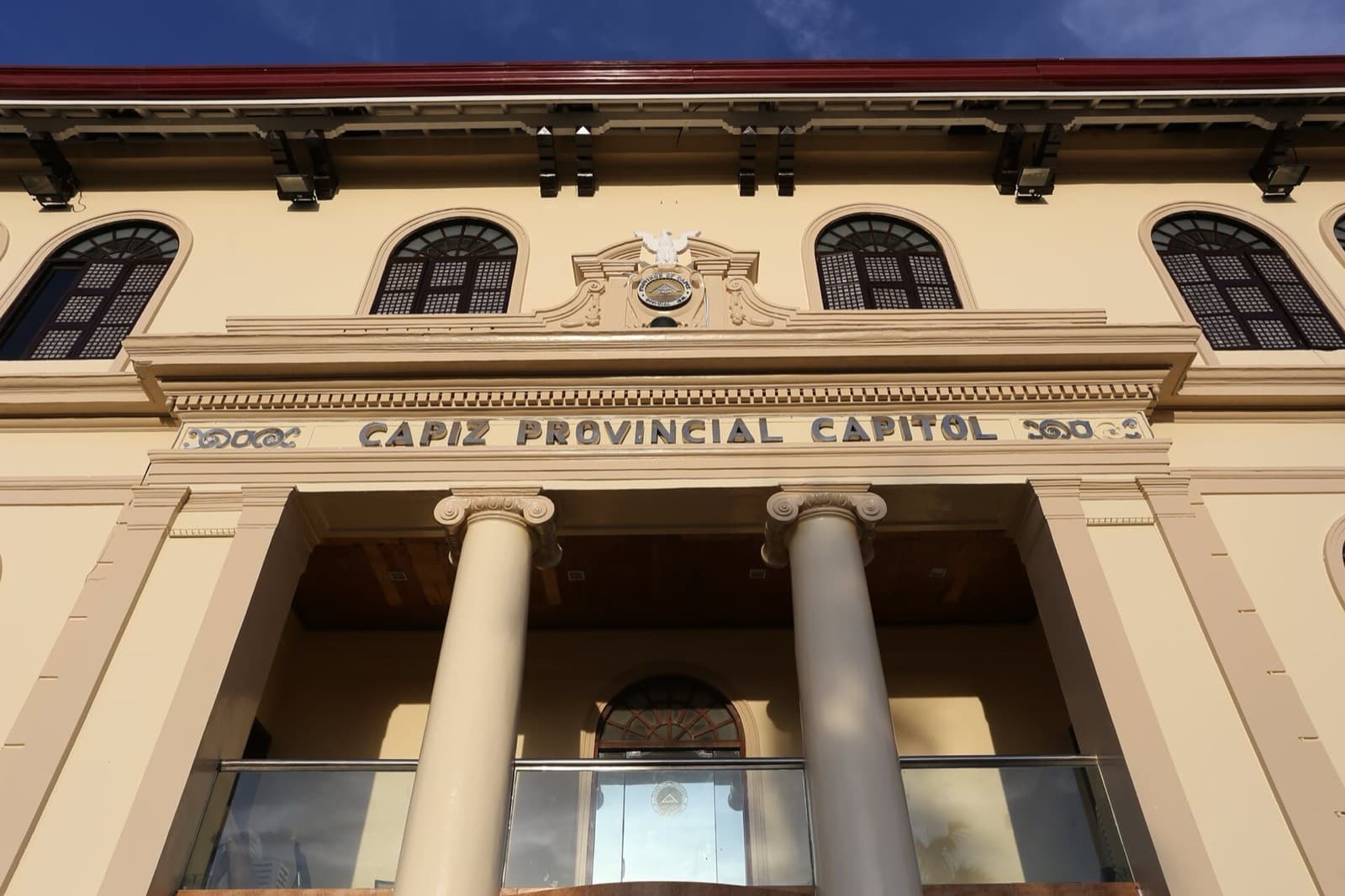
- Capiz Provincial Capitol, seat of the provincial government that Roxas once led as governor.
For a fuller picture of the province he came from, read a short history of Capiz.
Lessons for young leaders today
Roxas's story is a mix of brilliance and hard compromise, and that makes it useful for young leaders. A few takeaways:
- Start local. He served his town as a councilor and his province as governor before he led the nation.
- Prepare well. Topping the bar gave him credibility early. Skill opens doors that connections cannot.
- Own the hard calls. Leaders often choose between imperfect options. History judges both the choice and the reasons given for it.
If you want to build these skills, see our guide to the qualities of a good leader.
Frequently asked questions
Where was Manuel Roxas born?
He was born on January 1, 1892, in the town of Capiz, which is now Roxas City, Capiz. His birthplace is a heritage house in the city.
Was Manuel Roxas the first president of the Philippines?
No. He was the fifth president. He was the first president of the independent Third Republic, which began on July 4, 1946.
Why is Roxas City named after him?
Republic Act No. 603 of 1951 created the City of Roxas from the municipality of Capiz, honoring the province's most famous son. The province itself is still called Capiz.
How did Manuel Roxas die?
He died of a heart attack on April 15, 1948, after giving a speech at Clark Field, Pampanga. He was 56.
Lead from where you are
Manuel Roxas started serving his community in his twenties, right here in Capiz. JCI Roxas Halaran gives young Capiznon men aged 18 to 40 the same kind of start: training, real projects and a network of people who want to build something. Become a member or browse our projects to see what we are working on.