Labor Day in the Philippines is a regular holiday held every May 1 to honor Filipino workers and their contribution to the nation. The country first marked it with a large workers' march in Manila on May 1, 1903, and a 1908 law made "the first of May, to be known as Labor Day" an official public holiday. Today it is a day of rest, protest, job fairs and celebration all at once.
This guide explains the history of Labor Day Philippines, what workers are entitled to on the day, and how communities in Capiz and beyond can make it meaningful.
The first Labor Day in the Philippines (1903)
The story begins under American colonial rule. On May 1, 1903, the Union Obrera Democratica de Filipinas (UODF), considered the first modern labor federation in the country, led a mass demonstration of workers in Manila. According to GMA News, the marchers went from Plaza Moriones in Tondo to Malacañang Palace, calling for fair wages and better working conditions, and against colonial rule. Accounts differ on the size of the crowd, but it is widely remembered as the first Labor Day protest in the country.
The union's leaders, including Isabelo de los Reyes and Hermenegildo Cruz, linked the rights of workers to the cause of national freedom. For them, fair treatment at work and independence were part of the same struggle.
How May 1 became an official holiday
Workers kept pushing. On April 30, 1908, Act No. 1818 amended the list of public holidays to include "the first of May, to be known as Labor Day." From then on, May 1 was part of the official calendar.
The holiday has stayed on the books through every major update to Philippine holiday law:
- Executive Order No. 203 (1987) listed Labor Day, May 1, among the regular holidays.
- Republic Act No. 9492 (2007) kept it as a regular holiday and allowed its observance to be moved by proclamation.
- Yearly proclamations now set the exact date. For 2026, Proclamation No. 1006 listed Labor Day as a regular holiday on Friday, May 1.
Labor Day Philippines holiday pay rules
Since Labor Day is a regular holiday, the standard regular holiday pay rules apply to private-sector employees. As of 2026, the Department of Labor and Employment (DOLE) applies these general rules:
- No work: 100% of the daily wage, as long as the employee was present at work or on paid leave on the workday immediately before the holiday.
- Work on the holiday: 200% of the daily wage for the first eight hours.
- Overtime: an additional 30% of the hourly rate for that day.
- Holiday that is also a rest day: an additional 30% on top of the 200% rate.
DOLE issues a labor advisory before each holiday. Business owners should check the latest advisory and their payroll setup well before May 1, and workers should keep their own records of hours worked. If you are starting a small business, our guide to DTI business registration covers the first steps to doing things properly.
How Labor Day in the Philippines is observed today
Labor Day in the Philippines has several faces:
- Rallies and advocacy. Labor groups hold marches and programs to press for issues such as wage increases, job security and safer workplaces.
- Job fairs. DOLE and its partners often hold job and livelihood fairs on or around May 1. In 2026, DOLE planned job fairs at dozens of sites nationwide.
- Government announcements. The President often uses Labor Day to announce programs or policies for workers.
- Rest. For millions of Filipinos, especially with summer at its height, it is simply a day with family, at the beach or at home.
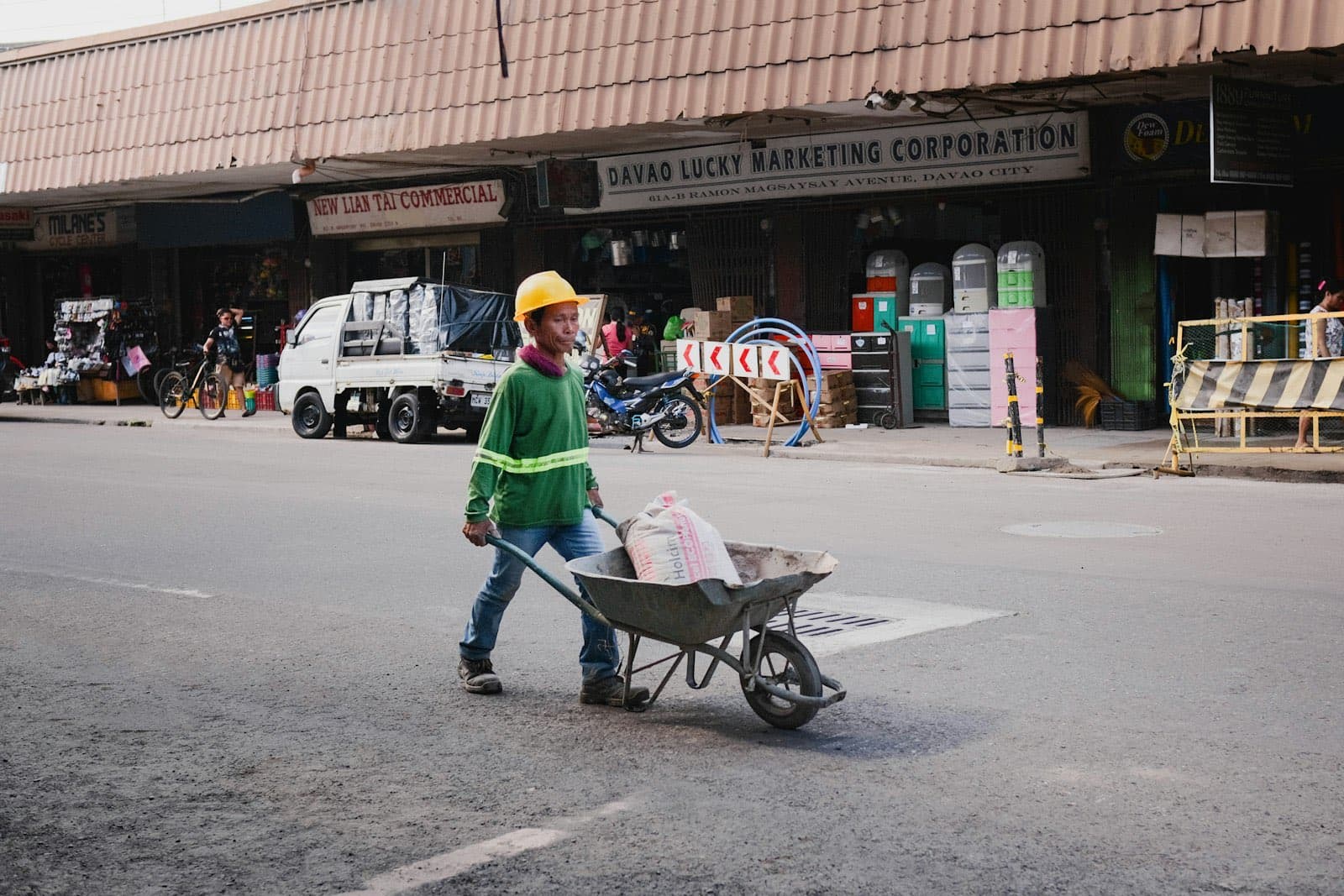
Here in Capiz, it is a good day to remember the mamumugon, a Hiligaynon word for laborers and workers: the fishers who bring in the catch at dawn, the vendors at the public market, the drivers, farmers, teachers, health workers and the thousands of Capiznons working overseas so their families at home can thrive.
Workers' rights every Filipino should know
Labor Day is a good reminder to know your basic rights at work. A few that apply to most private-sector employees under the Labor Code:
- Minimum wage. Wages are set by regional wage boards. Western Visayas has its own rates, which change from time to time, so check the latest wage order for Region VI.
- Holiday pay. As explained above, regular holidays come with paid time off or premium pay.
- Thirteenth-month pay. Most rank-and-file employees are entitled to it, paid on or before December 24.
- Safe workplaces. Employers must follow occupational safety and health standards.
- Social protection. Employers must register workers with SSS, PhilHealth and Pag-IBIG and remit contributions.
If you have a concern about your rights at work, you can contact the nearest DOLE field or provincial office.
Ways to honor workers on Labor Day
- Say thank you. Thank the people who make your daily life work: the jeepney driver, the security guard, the cleaner, the cook.
- Treat your own staff well. If you run a business, pay holiday rates correctly and on time. A small merienda or note of thanks goes a long way.
- Help someone find work. Share job fair announcements, help a friend fix their resume or practice interview questions with a fresh graduate.
- Buy local. Spend your holiday budget at small Capiz businesses, from seafood vendors to local food stalls.
- Learn a new skill. Work is changing fast. Use the long weekend to start an online course or plan a side business. Our list of negosyo ideas for the province can spark a few ideas.
Why Labor Day matters for young Filipinos
Many young Filipinos are entering the workforce, starting businesses or working abroad for the first time. Labor Day is a reminder that dignity at work was won by people who organized and spoke up. It also reminds young leaders that good businesses and good communities are built on fair treatment of workers.
Whether you become an employee, an employer or both, the values behind Labor Day apply to you. Read more about building a business the right way in our guide to entrepreneurship in the Philippines.
Frequently asked questions
Is Labor Day a regular holiday in the Philippines?
Yes. Labor Day on May 1 is a regular holiday, so workers who report for work get double pay for the first eight hours.
When was the first Labor Day in the Philippines?
The first Labor Day demonstration was held on May 1, 1903, led by the Union Obrera Democratica de Filipinas. May 1 became an official holiday in 1908 through Act No. 1818.
Can Labor Day be moved to a Monday?
Republic Act No. 9492 allows the President to adjust the observance of some holidays by proclamation. The official holiday list for each year is released in advance, so always check the current proclamation.
Do I get paid if I do not work on Labor Day?
Generally yes, you receive 100% of your daily wage if you were present or on paid leave on the workday before the holiday. Some exceptions apply, such as for certain small retail and service businesses, so check DOLE's advisory for details.
Work together, serve together
JCI Roxas Halaran is a community of young professionals, entrepreneurs and workers in Capiz, men aged 18 to 40, who believe in building a better province together. Join the chapter, or grab our free templates for your next community project.