Rizal Day is a Philippine regular holiday held every December 30 to remember Dr. Jose Rizal, the writer and reformer executed by Spanish colonial authorities at Bagumbayan (now Rizal Park, Manila) on December 30, 1896. The day honors his life, his writing and his sacrifice for the Filipino nation. It is one of the oldest holidays in the country, first marked in 1898.
Below you will find who Rizal was, why his death still matters, the laws that shape the day, and practical ways to observe it at home, in school or with your organization.
Who was Jose Rizal?
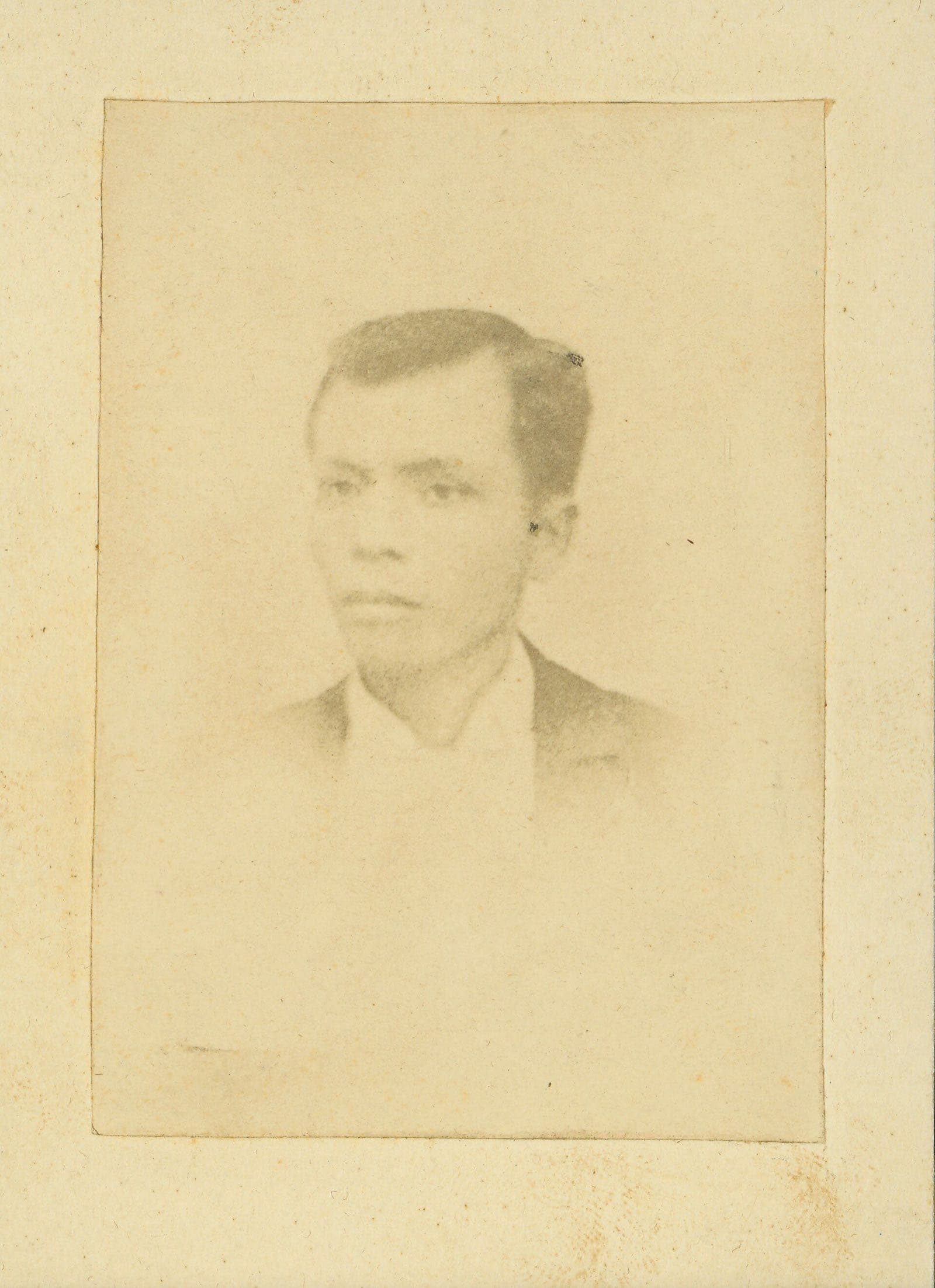
Jose Protasio Rizal Mercado y Alonso Realonda was born on June 19, 1861, in Calamba, Laguna. He studied in Manila at the Ateneo Municipal and the University of Santo Tomas, then continued his studies in Spain and other parts of Europe, where he trained as an eye doctor.
Rizal was a true polymath. Besides medicine, he wrote poetry, essays and novels, painted, sculpted and spoke many languages. Above all, he used his pen to expose abuses under Spanish rule.
The two novels
- Noli Me Tangere (1887), published in Berlin, showed the cruelty and corruption of colonial society through characters every Filipino student still knows: Crisostomo Ibarra, Maria Clara, Sisa and Padre Damaso.
- El Filibusterismo (1891), published in Ghent, was darker. It asked what happens when reform fails and people turn to revolution.
Both books were banned by colonial authorities, which only made Filipinos want to read them more.
La Liga Filipina and exile
Rizal returned to the Philippines and, in July 1892, founded La Liga Filipina, a civic group that sought peaceful reform. Within days he was arrested and exiled to Dapitan in Mindanao. There he ran a small clinic, opened a school for local boys and worked on community projects.
His arrest pushed others toward a different path. That same month, Andres Bonifacio and his companions founded the Katipunan. Read their story in our guide to Bonifacio Day.
Why Rizal was executed
In 1896, Rizal was allowed to leave Dapitan to serve as a volunteer doctor in Cuba. While he was on his way, the Katipunan revolution broke out in Manila. He was arrested, brought back to Manila and held at Fort Santiago.
Although Rizal had not joined the armed revolt, a Spanish military court found him guilty of rebellion and sedition on December 26, 1896. He was shot by a firing squad at Bagumbayan early in the morning of December 30. He was 35 years old.
The night before his death, he wrote a farewell poem, now known as "Mi Ultimo Adios" (My Last Farewell). It is one of the most loved poems in Philippine history.
His execution backfired on Spain. Instead of silencing the reform movement, it gave the revolution a martyr and united many Filipinos behind the cause of independence.
The history of Rizal Day as a holiday
Rizal Day has a long legal history:
- 1898: President Emilio Aguinaldo issued a decree on December 20, 1898, setting December 30 as a national day of mourning for Rizal and other victims of Spanish rule.
- 1902: Under the American colonial government, Act No. 345 included December 30 among the official public holidays of the Philippine Islands.
- 1948: Republic Act No. 229 banned cockfighting, horse racing and jai-alai every December 30, and called for the flag to be flown at half-mast.
- 1987 and 2007: Executive Order No. 203 and later Republic Act No. 9492 kept Rizal Day on the list of regular holidays.
The exact date of observance is set each year by presidential proclamation. For 2026, Proclamation No. 1006 lists Rizal Day as a regular holiday on Wednesday, December 30.
What happens on Rizal Day
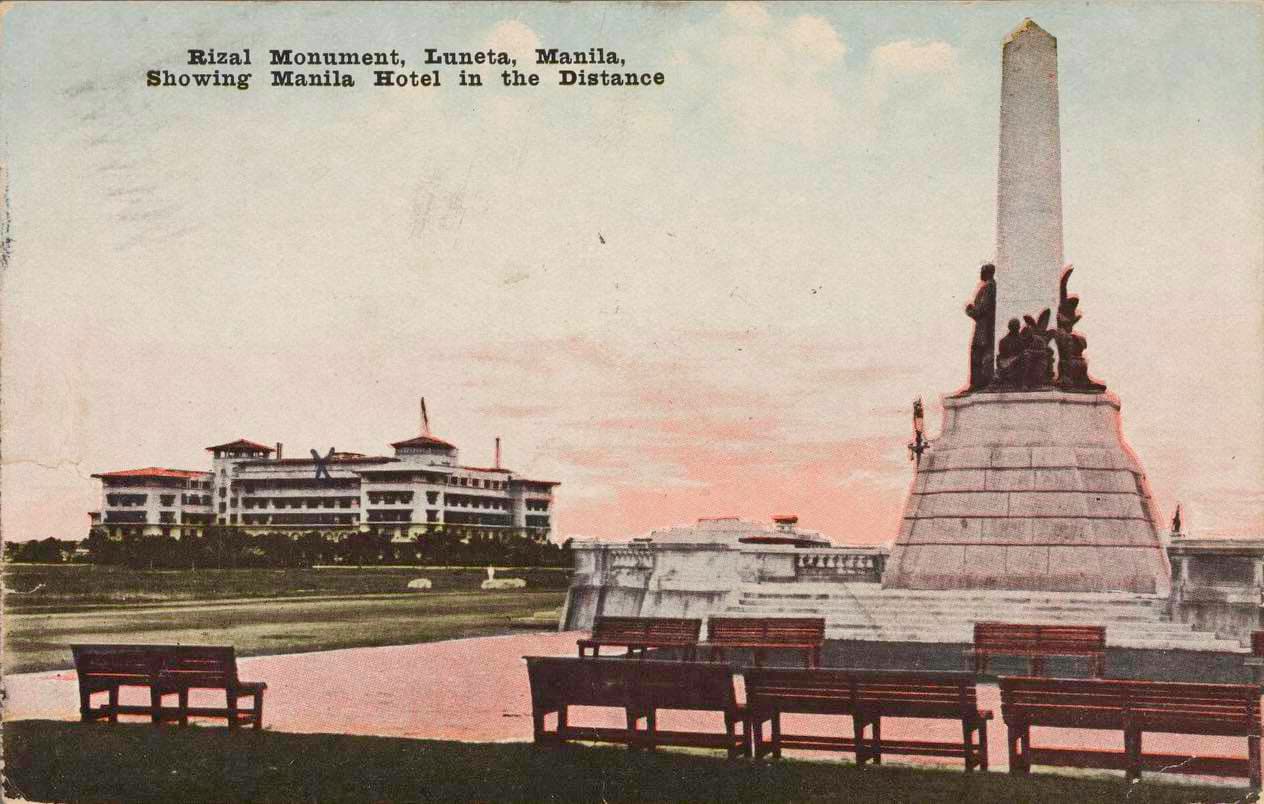
The national ceremony is held at the Rizal Monument in Luneta, where the President or a representative usually leads a flag-raising and wreath-laying. Across the country, LGUs and schools hold their own rites.
Because of Republic Act No. 229, a few rules apply on the day:
- Flags on public buildings and vessels fly at half-mast.
- Cockfighting, horse racing and jai-alai are not allowed.
For workers, regular holiday pay rules apply. In general, employees who work get 200% of their daily wage for the first eight hours, and those who do not work still receive their daily wage if they meet the attendance rule. DOLE releases a labor advisory before each holiday, so check the latest one for your exact computation.
Rizal Day also sits between Christmas and New Year, so many families are already home for the holidays. That makes it a good time to talk about the man behind the name on so many streets, schools and plazas.
How to observe Rizal Day
- Attend a local ceremony. Check your city or municipal hall's announcements for flag rites and wreath-laying.
- Read "Mi Ultimo Adios" together. It takes five minutes. Rizal wrote it in Spanish, and translations in Filipino and English are easy to find.
- Pick up the Noli or the Fili again. Most of us read them in high school because of the Rizal Law (Republic Act No. 1425). Reading them as an adult is a different experience.
- Teach, the way Rizal did in Dapitan. Volunteer as a tutor, run a reading session for kids or donate books to a barangay library.
- Reflect on reform. Rizal believed that education and civic action could change a society. Ask yourself one question: what can I improve in my community this coming year?
Rizal's lessons for young Filipinos
Rizal wrote much of his work while still in his twenties. He reminds young people that you do not need to wait until you are older to make a difference.
- Use your skills for the common good. Rizal was a doctor, writer and teacher, and he used every skill to serve.
- Speak up with care. His novels were sharp but carefully researched. Facts and good writing still move people today.
- Build something lasting. In exile, he built a school and a clinic. Leaders leave behind more than speeches.
Want to grow those skills? Start with our public speaking tips for first-time leaders or learn how to start a community development project.
Frequently asked questions
Is Rizal Day a regular holiday?
Yes. Rizal Day is a regular holiday, so regular holiday pay rules apply to private-sector workers.
Is Rizal officially the national hero of the Philippines?
No law formally declares any single Filipino as the national hero. Rizal is widely honored as one, and he and Andres Bonifacio are the only heroes with their own regular holidays.
Where was Rizal executed?
At Bagumbayan, an open field outside the walls of Intramuros. Today it is Rizal Park, also called Luneta, in Manila. The Rizal Monument stands near the site.
What is banned on Rizal Day?
Under Republic Act No. 229, cockfighting, horse racing and jai-alai are prohibited every December 30.
Carry the work forward
Rizal believed young people were the "fair hope of the Fatherland." JCI Roxas Halaran is a chapter of young Capiznon men, aged 18 to 40, who put that idea to work through leadership training and service. Become a member, or see our projects to find a way to help this year.